
Torch Corals: The Swaying Jewels of the Reef
|
|
Torch corals belong to the genus Euphyllia (with some species now reclassified under Fimbriaphyllia). The most commonly kept species include:
They are native to the warm reef systems of the Indo-Pacific, including regions around Australia and Southeast Asia.
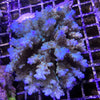
Torch corals are named for their long, flowing tentacles that resemble flickering flames. Each tentacle ends in a rounded or slightly tapered tip, which can glow in shades of neon green, gold, purple, or even bright orange under actinic lighting.
1. Incredible Movement
Unlike many stony corals that appear rigid, torch corals sway dramatically in moderate water flow. This movement adds life and energy to reef tanks.
2. Striking Coloration
Selective aquaculture has produced stunning varieties such as “Dragon Soul,” “Holy Grail,” and other gold, green, yellow, and orange torches, prized for their intense fluorescent pigments.
3. Relative Hardiness
While not beginner corals, torch corals are generally hardy once established in stable water conditions.
Torch corals aren’t the most difficult LPS corals, but they do require consistency.
Lighting
Moderate lighting works best. PAR levels between 80–150 are typically ideal, though some varieties tolerate slightly higher light.
Flow
They prefer moderate, indirect flow. Too little flow can lead to detritus buildup; too much can cause tissue damage. Creating a gentle back-and-forth motion is ideal.
Water Parameters
Stability is key:
• Temperature: 24–26°C (75–79°F)
• Salinity: 1.025 specific gravity
• Alkalinity: 8–9 dKH
• Calcium: 400–450 ppm
• Magnesium: 1250–1350 ppm
Sudden swings in alkalinity are a common cause of stress. We have also found that calcium levels of 480+ can also lead to head loss, though every torch has different tolerances.
Torch corals may look graceful, but they pack a punch. They have long sweeper tentacles equipped with stinging cells that can damage nearby corals.
Give them space—at least several inches from neighbors—to prevent chemical and physical warfare. It is also wise to consider that torches grow in the shape of a bouquet and will require more space as they age. Flow can often be manipulated to keep the tentacles moving primarily in one direction, with a moderate sway to the opposite side.
Torches can usually be kept next to each other without issue. Caution and observation should always be used to ensure compatibility. Interestingly, they often coexist peacefully with other Euphyllia species like hammer and frogspawn corals, though this isn’t guaranteed.
Although they host symbiotic zooxanthellae (which provide energy through photosynthesis), torch corals benefit from occasional feeding. Small meaty foods like mysis shrimp or reef-specific coral foods can enhance growth and coloration.
Given proper care, they grow by budding new heads from their base, gradually forming branching colonies.
• Brown Jelly Disease: A fast-moving bacterial infection that can wipe out colonies quickly. Immediate isolation and treatment are critical. Ciprofloxacin is the most effective treatment for BJD, but it should be used in a QT tank and/or external dip.
• Tissue Recession: Often caused by parameter instability or pests.
• Shipping Stress: Torch corals can be sensitive during transport.
• Polycladida (Polyclad Flatworms): These predatory flatworms can hitchhike into reef tanks on live rock or coral bases. Some species feed on coral tissue, including LPS corals like torches. Signs of infestation include unexplained tissue loss, bite marks, or flatworms hiding along the skeleton or underside of the colony. Dipping new corals, inspecting at night with a flashlight, and quarantining new additions are the best preventative measures.
Torch corals are a centerpiece coral for many reef aquarists. Their flowing tentacles, vibrant glow, and dynamic presence make them unforgettable additions to marine aquariums.
With stable water chemistry, thoughtful placement, and moderate flow, torch corals can thrive—and transform your reef tank into a mesmerizing underwater display.
If you’re looking for a coral that combines motion, color, and personality, a torch coral might just be the flame your reef needs.
Your cart is currently empty.
Start Shopping